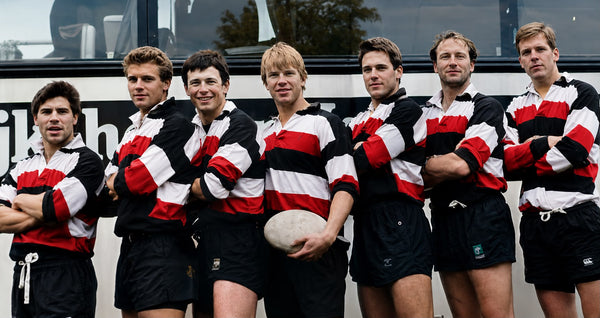
Grassroots rugby is the amateur, community level of the game: local clubs, schools and volunteers, rather than professional contracts or television deals, as Rugby Now defines it. It's where almost everyone who has ever played the sport actually learned it; and it's a world that has barely changed while the professional game around it was completely transformed.
A Game Split in Two
For its first hundred years or so, rugby had one identity everywhere. That changed in 1895, when clubs in the north of England broke away from the Rugby Football Union over the payment of players, eventually forming the separate code of rugby league, as Wikipedia's history of rugby union records. Rugby union itself stayed strictly amateur for another century, right up until 26 August 1995, when the International Rugby Football Board met in Paris and voted unanimously to declare the sport "open," finally allowing players to be paid, according to World Rugby's own account of that meeting. Almost overnight, the top of the game turned into a business: television deals, sponsorship, full-time contracts and international superstars.
The Clubhouse Never Changed
Underneath that, though, a version of rugby carried on almost exactly as it always had. Grassroots clubs are still run by volunteers, still funded by subs and a Saturday raffle, and still built around a pitch, a changing room and a bar rather than a boardroom, as The Rugby Paper explores in its piece on grassroots social impact. It's here, not on television, that most players actually learn the game; and where clubs quietly do far more than produce results, acting as genuine community hubs that keep people connected and active, particularly younger players.
Third Half, Same as It Ever Was
The clubhouse itself is where this culture actually lives: walls covered in team photos and old shirts, a bar that's seen decades of post-match debriefs, and the same "Third Half" tradition found throughout rugby's history; two teams, still muddy, sitting down together once the whistle's gone. As Lanark Highlanders RFC put it in their own account of club culture, the clubhouse serves as the heartbeat of the club, and the Third Half is as much about relationships as it is about the result. It's a smaller, quieter version of the ritual you'll find after a professional international; and arguably a more honest one.
Built for the Grassroots, Not the Boardroom
Rugby Culture was never built with the international game in mind first. It's built for the club side that trains on a Tuesday night in the rain, the tour that ends in a clubhouse rather than a stadium box, and the Saturday that means more to its players than any fixture on television. That's the rugby we're dressing; heritage details built for people who actually live in a scrum cap and a muddy changing room, not just people who watch one on TV.
FAQ
What is grassroots rugby? Community-level, amateur rugby played through local clubs, schools and volunteer-run sides, rather than professional contracts.
When did rugby union turn professional? The International Rugby Football Board declared the sport "open" on 26 August 1995, allowing players to be paid officially for the first time.
What is the "Third Half" in rugby? The tradition of both teams socialising together after a match, in club colours, as a mark of respect regardless of the result.
Further reading